
We hope you enjoy reading this post. If you are looking for packaging solutions, feel free to contact us.
Paper bags are widely used across retail, food service, and e-commerce industries thanks to their versatility, sustainability, and branding potential. However, not all paper bags are made from the same material. Different paper types offer varying levels of strength, appearance, printability, and environmental performance.
In this guide, we break down the most common paper bag materials, explain their key features, and help you choose the right option for your products and brand positioning.
 1. Kraft Paper (Brown or White)
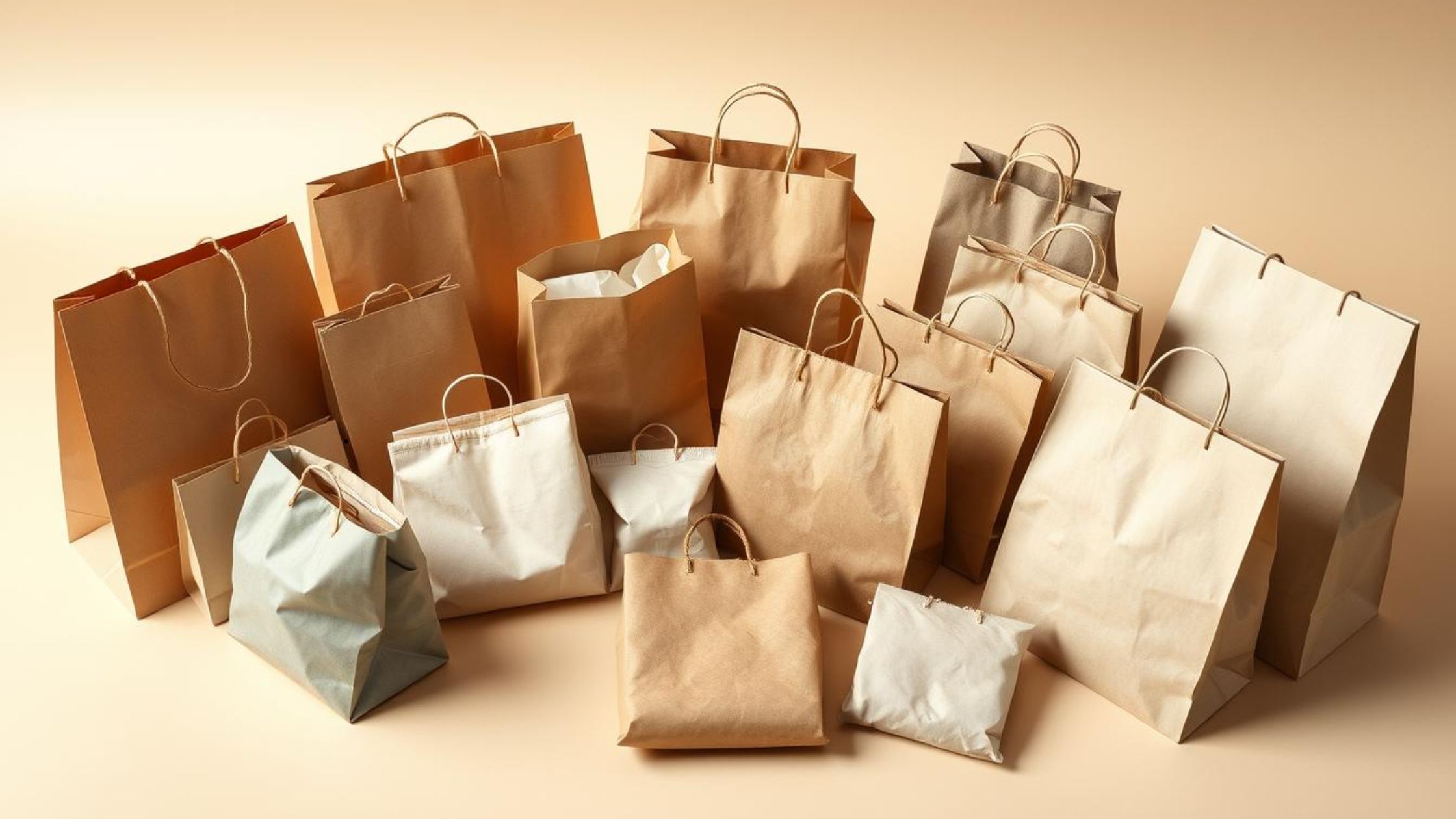
Kraft paper is the most popular and widely used material for paper bags.
It is typically made from virgin wood pulp, recycled fibers, or a combination of both, using the kraft pulping process that enhances strength and durability.
High tensile strength and tear resistance
Lightweight yet durable
Available in natural brown (eco look) or bleached white (clean, premium appearance)
Excellent for flexographic and offset printing
Grocery bags
Retail shopping bags
Food takeout and delivery bags
E-commerce packaging
Kraft paper is biodegradable, compostable, and recyclable, making it one of the best choices for eco-friendly packaging. Unbleached brown kraft paper is especially popular among sustainable and minimalist brands.
Best for: Brands looking for cost-effective, strong, and environmentally responsible packaging.

Art paper, also known as coated paper, is designed for high-quality printing and premium visual appeal.
It features a smooth surface with either a matte or glossy coating, allowing sharp graphics, vibrant colors, and fine details.
Smooth, glossy, or matte finish
Excellent color reproduction and image clarity
Compatible with advanced finishing techniques
Luxury retail paper bags
Fashion and apparel brands
Cosmetics and promotional gift bags
Lamination (glossy or matte)
Embossing and debossing
Spot UV
Foil stamping
Coated or laminated art paper may be less recyclable unless water-based or eco-friendly coatings are used. Brands focusing on sustainability should consider recyclable lamination alternatives.
Best for: High-end branding where appearance and print quality are top priorities.
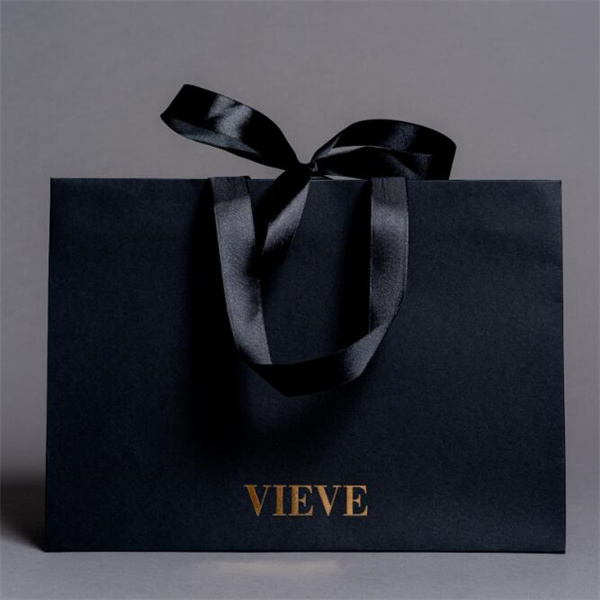
White cardboard, often referred to as ivory board or Bristol board, is a thick and rigid paper material known for its excellent shape retention.
High stiffness and structural strength
Smooth white surface for premium printing
Maintains bag shape even with heavier products
Premium shopping bags
Gift bags
Jewelry, cosmetics, and luxury packaging
Supports foil stamping, embossing, debossing
Suitable for rope handles, ribbon handles, or custom die-cut handles
Best for: Premium brands that require durability, structure, and a luxury feel.

Recyclable paper bags are made from post-consumer recycled paper fibers, reducing the need for virgin raw materials.
Eco-friendly and resource-efficient
Slightly rougher texture compared to virgin paper
Often shows natural fiber specks for a rustic look
Eco-conscious retail brands
Organic food and natural product packaging
Sustainable promotional bags
Using recycled paper significantly lowers environmental impact, including reduced energy and water consumption during production.
Best for: Brands that want to clearly communicate sustainability and environmental responsibility.

Food-grade paper is specially engineered for direct contact with food products. It is often treated or laminated with a thin food-safe barrier.
Grease-resistant and moisture-resistant
Safe for direct food contact
Meets food packaging safety standards
Bakery bags
Café and coffee shop packaging
Restaurant takeout and fast food bags
PE coating
Water-based coatings
Biodegradable or compostable liners
Best for: Food service businesses requiring hygiene, safety, and functional performance.

When selecting the best paper material for your bags, consider the following factors:
Product weight and size
Brand positioning (eco-friendly vs. luxury)
Printing and finishing requirements
Sustainability goals and certifications
Budget and order volume
Choosing the right paper material not only protects your products but also enhances brand image and customer experience.
Paper bags are more than just packaging—they are a powerful branding and sustainability tool. Whether you choose kraft paper for eco-friendliness, art paper for premium visuals, or food-grade paper for safety, understanding the material differences helps you make smarter packaging decisions.
If you’re planning custom paper bags, working with an experienced packaging supplier ensures the right balance of strength, appearance, cost, and sustainability.
Guanchi Packaging Co.,Ltd is a leading and professional manufacturer for customized packaging with high quality ECO-friendly material. We can be your trustworthy and reliable business partner.
Before purchasing our custom bags, maybe you will have some questions. So, we have listed some of the most common questions below. You can browse our FAQ section and if you have other questions, please feel free contact us.
1.Are you a manufacturer?
Yes we are. We’re a manufacturer and we use eco-friendly materials for custom packagings all the time.
2.Can I get some samples before placing a bulk order?
Yes you can. We can finish the samples in 3-5 days after you confirm the design and details.
3.What is the minimum quantity?
In our company, we specialize in crafting custom packagings based on your specifications. This implies that we don’t enforce a universal minimum order quantity for all our products. The minimum order quantity is contingent upon the specific type of custom packagings you require and whether you prefer an unadorned version or one featuring a printed design.
4.Can your custom packagings be recyclable?
Yes,they can. We use eco-friendly materials such as recyclable paper, vegetable-based inks, and water-based coatings.
5.Can you make a 3D drawing based on my artwork?
Certainly, we have the capability to assist you with 3D drawing according your artwork. It’s advisable to entrust this aspect to individuals with a stronger creative inclination. Our primary emphasis revolves around transforming your concepts into exceptionally crafted custom packagings.
6.Do you have a FSC certification?
Yes we do.You can check our FSC certification on ABOUT US page.
7.What type of printing colors can be chosen?
Our standard print is CMYK, also we support Pantone print, if you need, please provide your Pantone color to us.
8.What printing techniques do you use for the packagings?
We have all kinds of advanced production equipment for offset printing, UV printing, water printing, flexo printing, pad printing and digital quick printing. We’ve recognized by lots of foreign famous brands.

Guanchi Packaging Co.,Ltd is a leading and professional manufacturer for customized packaging with high quality ECO-friendly material. We can be your trustworthy and reliable business partner.